Rosmini College has partnered with the University of Auckland’s (UOA) Space Department to launch an two-year project that will see Kiwi students design, build, and launch a satellite into space
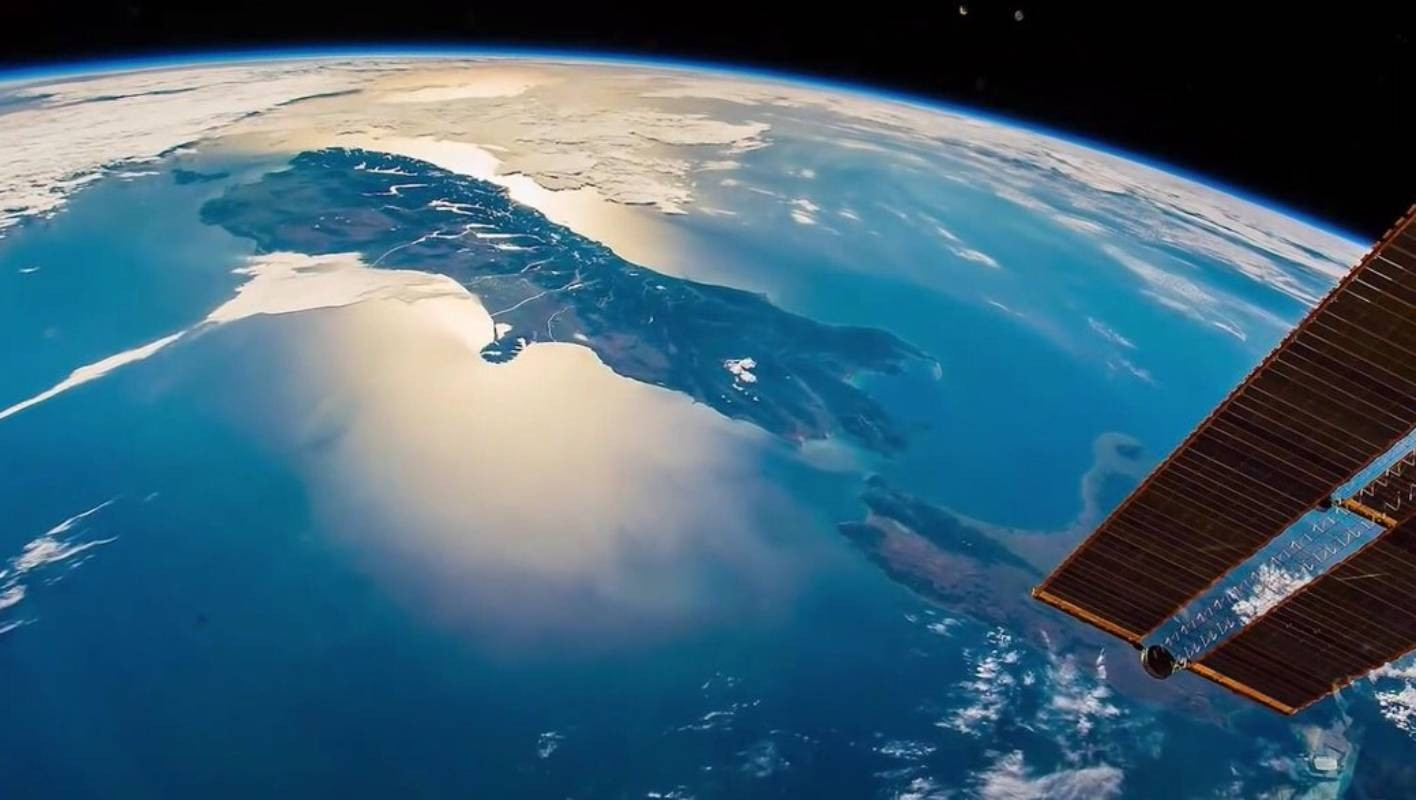
In a New Zealand first, Rosmini College has partnered with the University of Auckland’s (UOA) Space Department — Te Pūnaha Ātea (TPA) — to launch an ambitious two-year project that will see Kiwi students design, build, and launch a purposeful satellite into space.
Thanks to major backing from the Aerospace Fund, approved by Minister Chris Penk, this dream is now a fully funded reality.
This is a two-year nationwide initiative. Rosmini College, alongside industry facilitator One Foot in the Clouds, has been working behind the scenes to recruit teachers and students from around the country to participate. Rosmini’s Pranav Mistry is working with a team of UOA students and staff to develop a structured in-school training package. Teachers and students will first attend a conference to learn the ropes. From there, schools will collaborate nationally to build prototype phases using CAD files, 3D printing, and programming microprocessors.
The aim is to involve around 300 top Year 10 and 11 students - and not just science students. Running a space mission involves massive logistics, so students interested in accountancy, law, and human sciences will likely be involved. "We are looking for kids who have the right attitude—students who just want to get involved in doing something long-term, hard, and mentally stimulating," says Rosmini physics teacher John Smith.
Space Testing
UOA’s Ben Taylor is heading the satellite design program, granting students access to world-class university testing facilities. Space is a brutal environment, and student designs will have to survive severe conditions. In Low Earth Orbit, satellites pass from shadow to sun every 90 minutes, cycling between -90 °C and 100 °C, meaning they must be rigorously tested in UOA’s thermobaric chamber. Additionally, launching a rocket generates intense pressure waves, so student satellites must be built to withstand vibration on a three-axis vibratory table.
Importantly, the satellite is designed for a low Earth orbit, so it safely re-enters the atmosphere after making its observations, ensuring we won't leave any space junk behind.
Future Careers
New Zealand is currently the third most successful country for launching space missions, powering a thriving $3 billion-a-year industry. This project aims to show students that they can have meaningful aerospace careers right here at home in fields like mechanical engineering, mechatronics, and avionics.
With the prototype phase kicking off shortly, we expect our finished satellite to head into space by late 2027 or early 2028. Stay tuned, Rosmini — the countdown has officially begun!
Click here for the Satellite Flight Manual
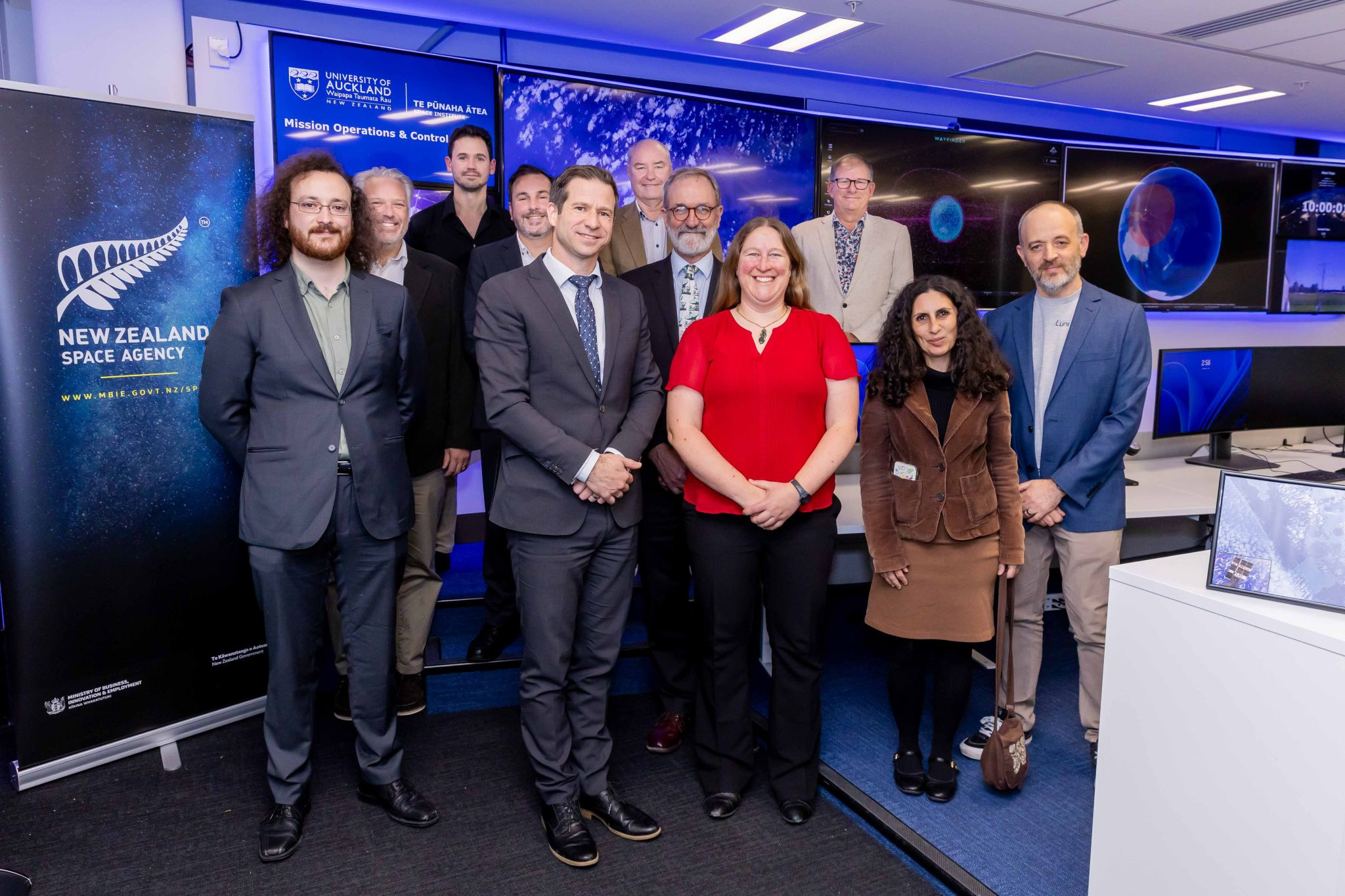
Pictured: Recipients of round one and two of the Kiwi Space Activator with Space Minister Chris Penk at the University of Auckland's Te Pūnaha Ātea - Space Institute Mission Operations & Control Centre. Rosmini's Mr John Smith top right. Photo credit: University of Auckland / Simon Young.